Phi Phi Island Tours

Your ultimate guide to visiting Phi Phi Islands

Phi Phi island tours are full or half-day boat experiences that combine beaches, lagoons, snorkeling stops, and scenic island hopping across the Andaman Sea, often covering Maya Bay, Pileh Lagoon, Bamboo Island, and Phi Phi Don in a single trip.

The biggest difference between tours is how the day feels. Some are fast-paced speedboat trips built to cover more islands quickly, while others are slower catamaran or longtail experiences focused on swimming, scenery, and time in the water. Departure point matters too: Phuket and Krabi tours involve longer crossings, while Phi Phi-based tours skip the mainland transfer entirely.

This guide breaks down the different tour styles, boat types, island stops, and what the experience actually feels like, so you can pick the right Phi Phi tour for your pace, comfort level, and travel plans.

Essential info at a glance

  • Tour formats: Fast-paced speedboat tours, slower catamaran sailings, early bird island-hopping trips, and private longtail tours from Phi Phi.
  • Time commitment: Half-day tours run ~3–5 hours; full-day tours are 7–10 hours with early starts and multiple stops.
  • Stops & islands: Expect 3–5 key stops — typically Maya Bay, Bamboo Island, Pileh Lagoon, and snorkeling spots near Viking Cave.
  • Best for: Speedboats suit travelers wanting to cover more islands quickly, while catamarans and longtails feel slower, calmer, and more scenic.
  • Booking reality: Peak months (Nov–Apr): book 3–7 days ahead; premium or sunset tours fill earlier.

Everything you need to know to plan your Phi Phi Island tour

Types of Phi Phi tours to choose from

Tour typeWhat the experience feels likeDurationStops / islands

Speedboat tours (standard & premium)

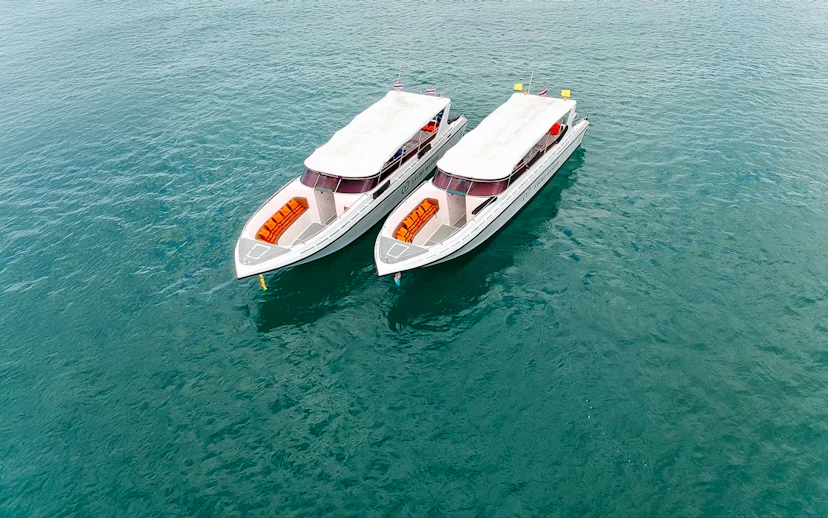
Fast-paced island hopping covering Maya Bay, Bamboo Island, and snorkeling spots, with premium options offering smaller groups and a more comfortable onboard experience.

~8–10 hrs

Usually 4–6 stops including Maya Bay, Pileh Lagoon, Bamboo Island, Viking Cave, or Khai Island

Catamaran tours (standard & premium)

Slower, more scenic experience with larger boats, calmer rides, and longer swim stops. Premium sunset catamarans feel more relaxed and occasion-like.

~8–10 hrs

Usually 3–5 stops including Maya Bay, Pileh Lagoon, Bamboo Island, Khai Island, or Maiton Island

Longtail boat tours (shared & private)

Traditional wooden boat experience with slower travel, flexible stops, and a more local feel. Best if you’re already staying on Phi Phi Don

~3–7 hrs

Usually 3–5 stops including Maya Bay, Pileh Lagoon, Shark Point, Nui Beach, and Bamboo Island

Early bird speedboat (Krabi)

Starts before most tours reach Phi Phi, helping you experience Maya Bay and major stops before peak crowds arrive. Earlier wake-up, quieter islands.

~8–9 hrs

Usually 5–8 stops including Maya Bay, Phi Phi Don, Bamboo Island, and nearby Krabi islands

💡 Not sure which to pick? 

If you're coming from Phuket and want to cover the most ground quickly, a standard or premium speedboat is the practical choice. If comfort is the priority, especially for families or rough-season travel, the catamaran is worth the extra cost and longer journey. Already on Phi Phi? Skip the mainland crossing entirely and take a longtail.

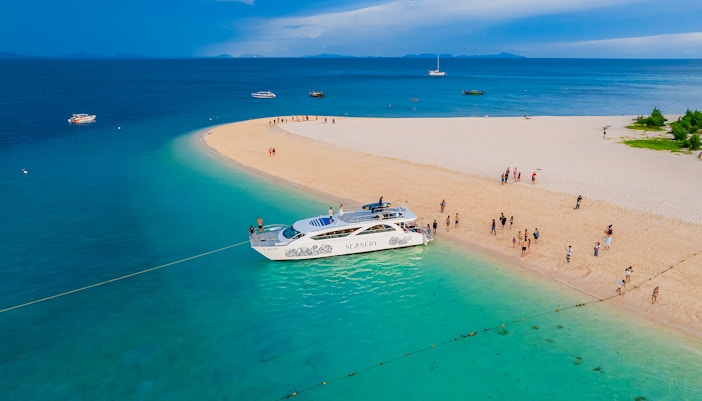
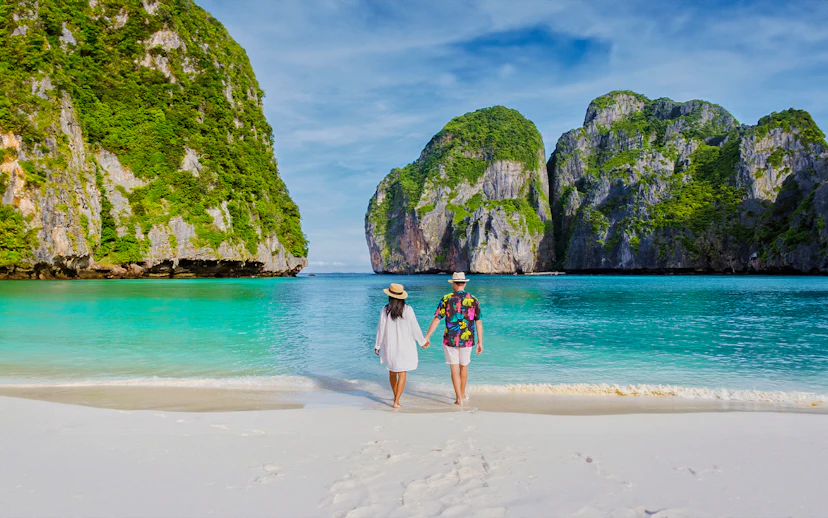
Boat tour arriving at Phi Phi Islands beach with limestone cliffs in the background.

What actually happens on a Phi Phi island hopping tour
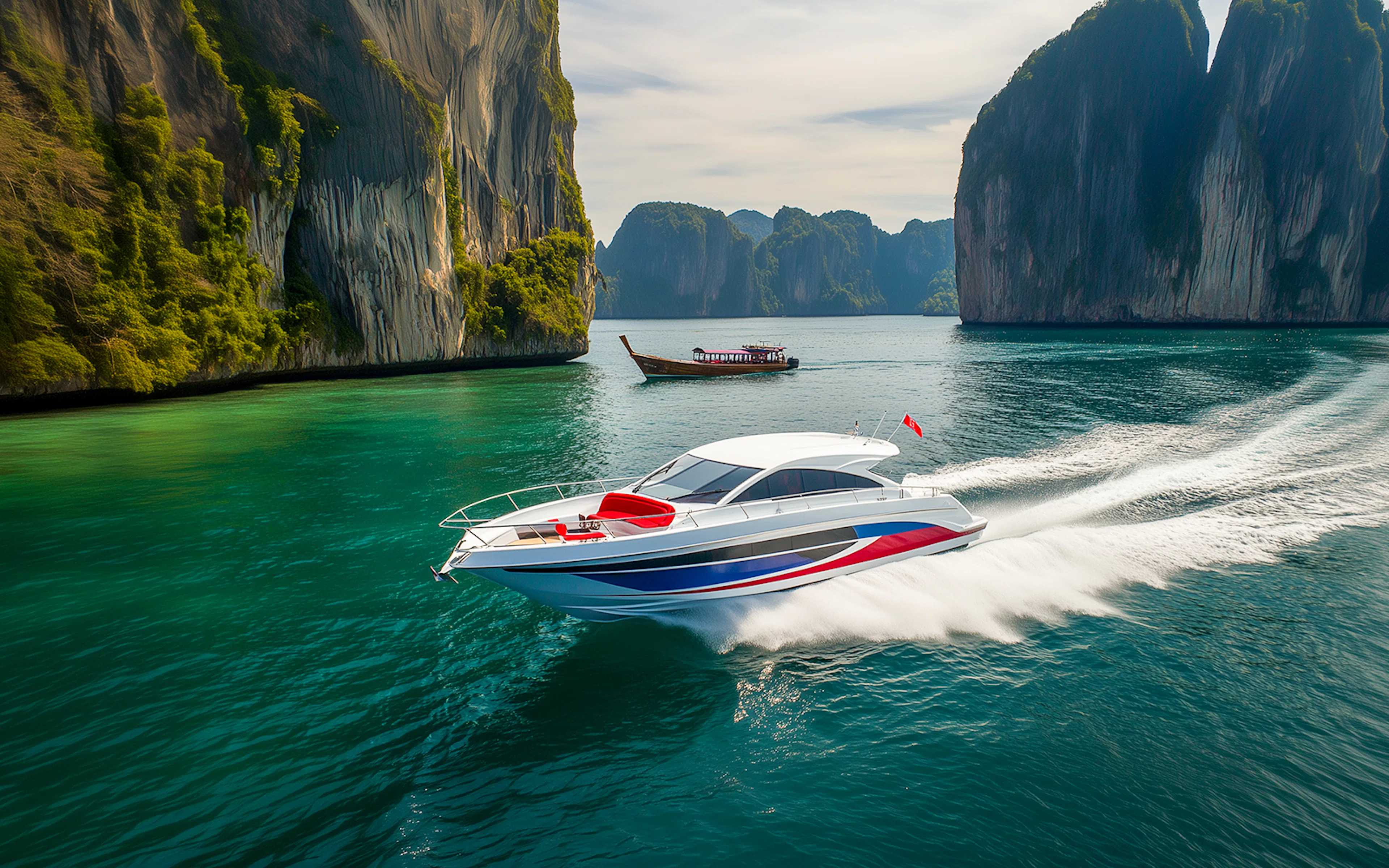
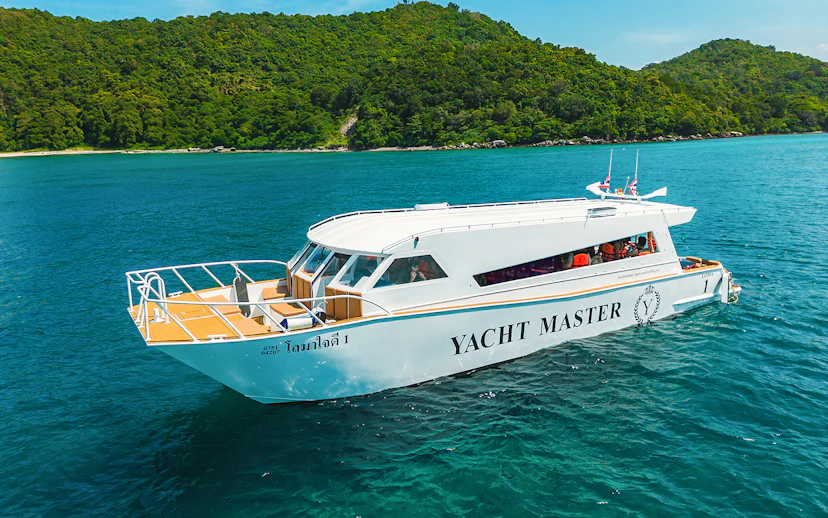
Speedboat cruising near limestone cliffs on Phi Phi Islands tour from Phuket.
Travelers boarding shuttle bus at Shinjuku station for Tokyo Disney Resort trip.
Woman in white dress on longtail boat, Maya Bay, Phi Phi Islands tour.
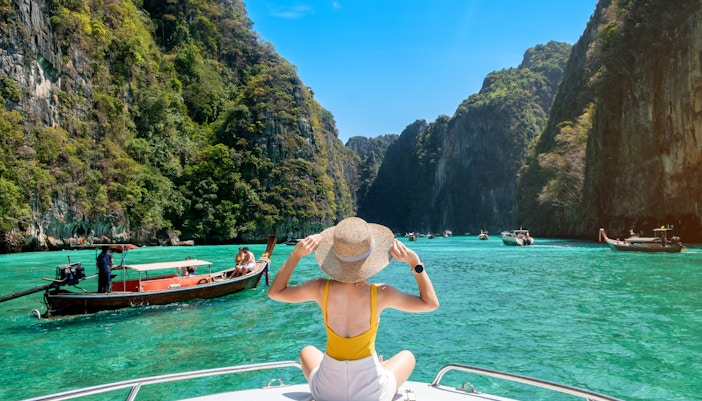
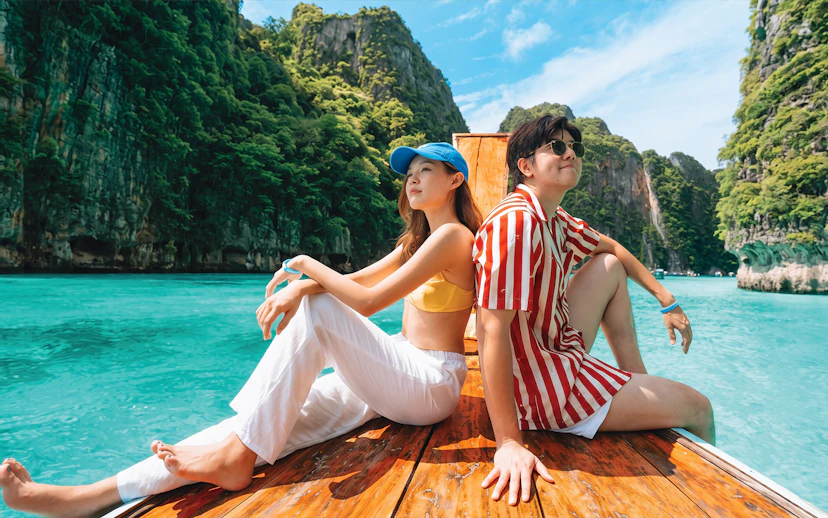
Couple on boat exploring Pileh Lagoon surrounded by cliffs and turquoise water.
Woman kayaking in clear waters near Viking Cave, Thailand.
Woman snorkeling among colorful fish in clear tropical waters.
Tropical lunch buffet with pasta and seafood on Moreton Island beach.
Snorkelers in clear waters of Bamboo Islands, Thailand.
Catamaran cruising near limestone cliffs on Phi Phi Islands tour from Phuket.
1/9

How your day is split

Most Phi Phi island hopping tours follow a similar structure, but the pace changes a lot depending on your boat type, departure point, and route. Speedboats cover more stops quickly but feel more rushed between islands, while catamarans and longtail boats trade speed for a slower, calmer experience on the water.

Early departures & the first crossing

Most full-day tours from Phuket or Krabi start early with hotel pickup, pier check-in, and a 45–60 minute open-water crossing to Phi Phi. Tours starting from Phi Phi Don itself skip the long transfer and reach stops much faster.

This is also where boat type matters most. Speedboats are faster but bumpier, catamarans feel steadier and more spacious, while traditional longtail boats offer a slower, more local experience close to the water.

Maya Bay

Almost every route centers around Maya Bay, the famous cove from The Beach, known for its limestone cliffs, turquoise water, and white sand.

  • What happens here: Short beach access, sightseeing, photos, and walking along the protected shoreline trail. Swimming inside the bay is usually restricted.
  • Time spent: Usually 30–50 minutes
  • Know this: Timing changes the experience completely. Early bird tours reach Maya Bay before peak crowds and heat build up.

Pileh Lagoon

Pileh Lagoon is usually the most swim-focused stop of the day, a calm emerald lagoon surrounded by steep limestone cliffs.

  • What happens here: Swimming, floating, snorkeling, and sometimes paddleboarding or kayaking depending on the tour.
  • Time spent: Usually 15–45 minutes
  • Know this: This is where you actually spend time in the water, not just stop for photos. Catamaran tours usually stay longer here than standard speedboats.

Viking Cave & Monkey Beach

Most tours pass Viking Cave without entering, slowing briefly for views of the cave paintings and bird’s nest harvesting areas.
Monkey Beach is typically a short stop for spotting macaques and taking photos.

  • Time spent: Usually 10–30 minutes at Monkey Beach
  • Know this: The monkeys are wild and used to tourists — loose bags, drinks, and snacks attract attention quickly.

Snorkeling stops

Most routes include at least one snorkeling stop near Pileh Lagoon, Loh Samah Bay, Shark Point, Bamboo Island, or Khai Island.

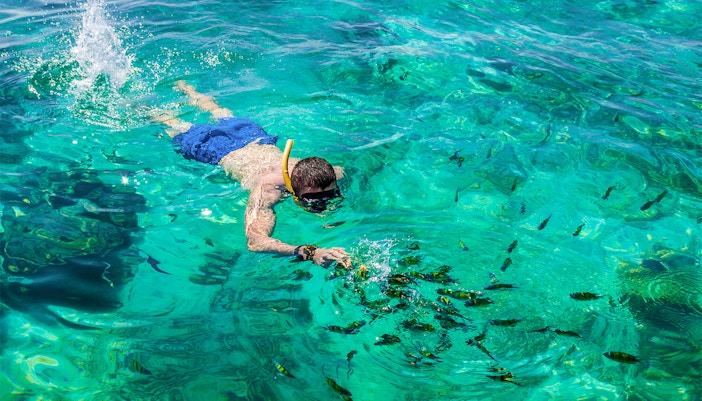
  • What happens here: Guided snorkeling near shallow reefs with tropical fish and coral.
  • Time spent: Usually 20–45 minutes
  • Know this: Earlier snorkeling stops usually have clearer water and fewer boats nearby.

Phi Phi Don & lunch stop

Around midday, most full-day tours stop at Phi Phi Don or Tonsai Bay for lunch and a longer break from the boat.

  • What happens here: Thai buffet lunch, drinks, restrooms, and free time near the beach or village area.
  • Time spent: Usually 60–90 minutes
  • Know this: This is usually the slowest and most relaxed part of the day after multiple swim stops and long stretches in the sun.

Bamboo Island, Khai Island & quieter stops

Many longer routes finish with a final beach stop at Bamboo Island, Khai Island, Maiton Island, or smaller coves away from central Phi Phi.

  • What happens here: Swimming, beach time, relaxing, and final snorkeling stops before returning.
  • Time spent: Usually 30–90 minutes
  • Know this: These later stops often feel quieter and more relaxed than Maya Bay, especially on premium or sunset routes.

The

The return journey

Most return crossings begin by mid-to-late afternoon. Sea conditions are often rougher on the way back, particularly on speedboats returning to Phuket or Krabi.

Hotel transfers are usually included on full-day mainland departures, while tours starting from Phi Phi Don typically return directly to Tonsai Pier.

Half-day or full-day — what should you pick?

Half-day (4–6 hrs) | from Phi Phi Don only: Covers the core highlights like Maya Bay and Pileh Lagoon in a morning or afternoon slot. Less travel, more flexibility. Best if you’re already on the island.

Full-day (8.5–10 hrs) | from Phuket or Krabi: The standard option. More stops (5–8), lunch included, and access to places like Bamboo Island. Well-paced with swim breaks.

👉 Quick call: On Phi Phi → half-day works. From Phuket/Krabi → go full-day.

Phi Phi Island map

Visualise the layout—from Phi Phi Don (main island, lunch stop) to Phi Phi Leh (home to Maya Bay and Pileh Lagoon).

phi phi map

Find a complete guide to the islands

Does the season matter?

Dry season (November–April)

The best overall conditions, calmer seas, clearer water, and better snorkeling visibility. This is peak season, so popular and premium tours often sell out several days ahead.

Shoulder months (May & October)

Good balance between weather and crowd levels. Conditions are usually pleasant, though seas can occasionally be rougher and itineraries less predictable.

Rainy season (June–September)

Rougher seas, lower snorkeling visibility, and occasional weather-related route changes or cancellations. Tours still run, but flexibility matters more during this period.

Weekdays vs weekends: Popular stops like Maya Bay feel noticeably less crowded midweek. Tuesday–Thursday is usually the quietest window.

Timing note: Most full-day Phi Phi island tours start between 7–11am depending on departure point and boat type, while half-day tours from Phi Phi usually offer both morning (9–11am) and afternoon (1–2pm) departures. Early bird tours begin the earliest to reach Maya Bay before crowds build.

Early departures change everything

The biggest difference isn’t the route, it’s when you reach Maya Bay. Early-morning tours mean fewer boats, quieter beaches, calmer water, and better photos before the crowds arrive.

👉 That’s why early-bird tours from Krabi are worth considering, they’re built around getting to Phi Phi before the rush starts.

Speedboat cruising near limestone cliffs on Phi Phi Islands tour from Phuket.

Find your Phi Phi Island tour depparture points

The most popular departure point with the widest range of tour options and boat types. Piers vary by operator but most depart from Chalong Pier, Ao Po Grand Marina, or Royal Phuket Marina.

🚇 Getting there

  • Grab / Taxi: From Patong: ~30–40 mins to Chalong Pier | ฿200–฿350; from Phuket Town: ~20 mins | ฿150–฿250
  • Hotel transfer (included): Most tours include round-trip transfers from hotels in Patong, Kata, Karon, and Phuket Town. Confirm your pickup zone at booking.

💡 Pro tip: Hotel transfers add significant time to your day. If your hotel is far from central Phuket, budget an extra 30–45 minutes each way.

A shorter crossing to Phi Phi (approximately 60 minutes by speedboat vs. 45 minutes from Phuket), making Krabi the smarter departure point if you're staying there. Tours typically depart from Ao Nang Pier or Klong Jirad Pier.

🚇 Getting there

  • Grab / Taxi: From Ao Nang: ~5–10 mins to the pier | ฿60–฿100; from Krabi Town: ~30 mins to Ao Nang Pier | ฿150–฿200
  • Hotel transfer (included): Most Krabi tours include transfers from Ao Nang, Krabi Town, Klong Muang, and Tubkaek.

💡 Pro tip: The early bird Krabi tour departing at 6am is the best way to reach Maya Bay before the crowds. If you're staying in Ao Nang, this is the most efficient Phi Phi tour on the market.

If you're staying on Phi Phi itself, skip the mainland crossing entirely. Longtail and speedboat tours depart directly from Tonsai Pier on Phi Phi Don. Half-day tours are available in morning and afternoon slots, covering all major Phi Phi Leh attractions. Private tours can be arranged the same day.

🚇 Getting there

  • Tonsai Pier is the main pier on Phi Phi Don — a short walk or tuk-tuk from most guesthouses and hotels on the island.

💡 Pro tip: Longtail boats from Phi Phi Don can be negotiated directly at the pier if you haven't pre-booked. Morning slots fill up fastest; afternoon slots are easier to find on the day.

Pre-boarding guide

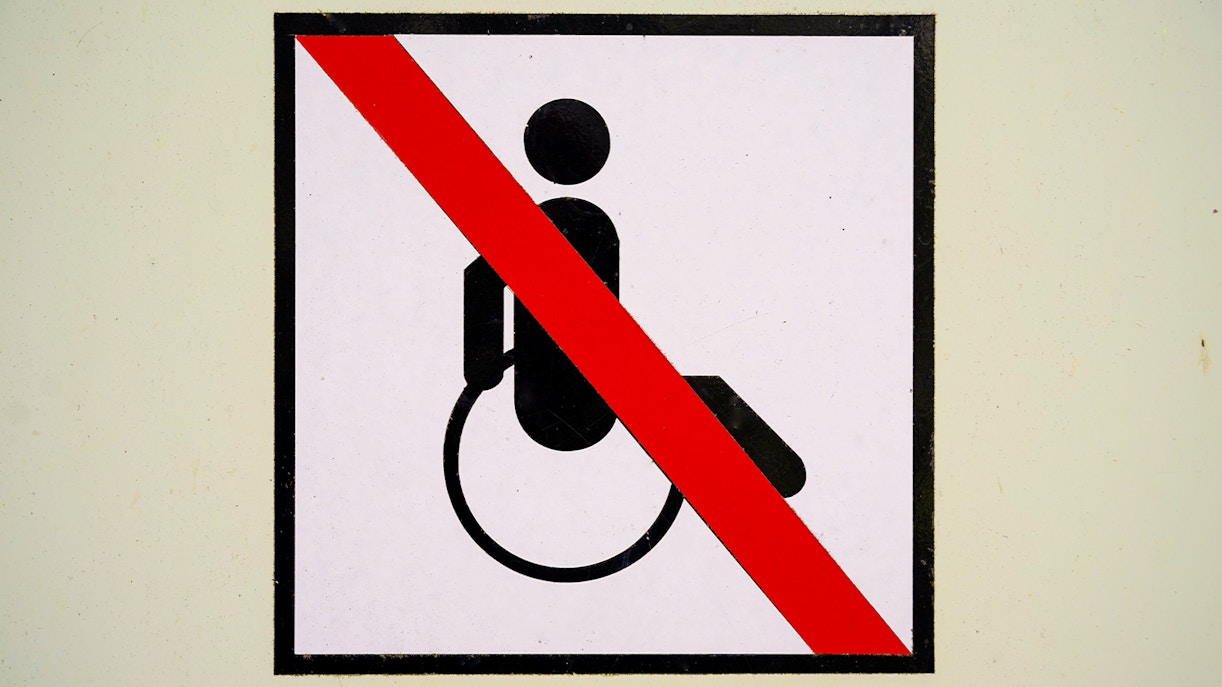
No wheelchair access symbol with red diagonal line.
  • Most Phi Phi tours include life jackets, snorkeling gear, drinking water, and light refreshments.
  • Full-day tours usually add buffet lunch, fruits, and snacks, while premium speedboats and catamarans offer more spacious seating and shaded deck areas.
  • Catamarans are typically the most comfortable, with restrooms, swim ladders, and sometimes paddleboards or kayaks. Longtail boats are simpler and more open-air, with fewer onboard facilities but a more local experience.

Accessibility considerations

  • Phi Phi tours are generally not wheelchair or stroller accessible due to pier boarding, ladders, and uneven island terrain. Speedboats and longtail boats involve more movement and direct boat boarding.
  • These tours may not suit pregnant travelers, very young children, senior travelers, or guests with heart, back, or mobility conditions. Catamarans usually provide the smoothest ride in rougher seas.
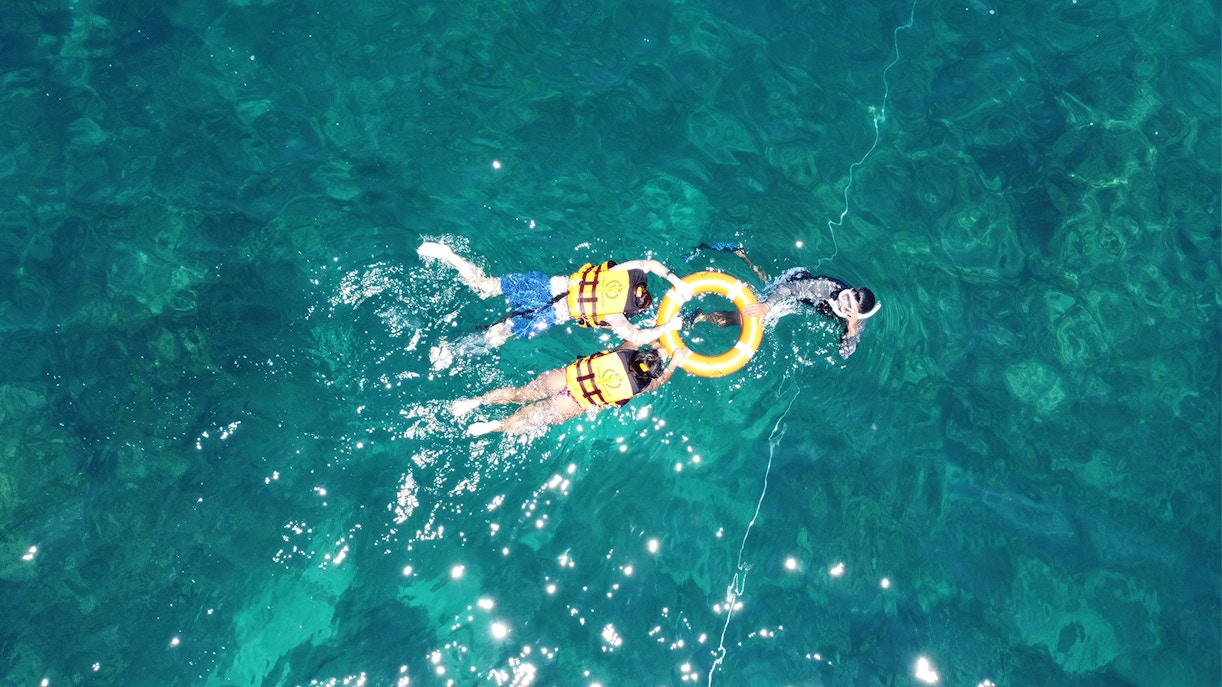
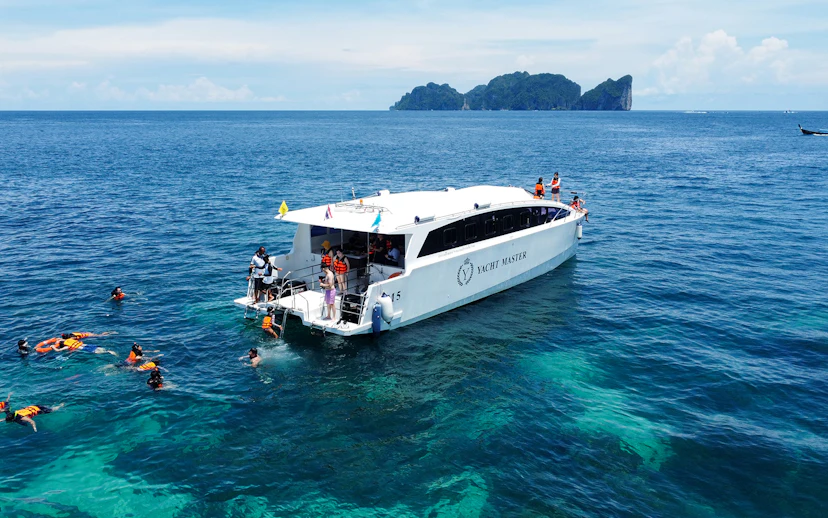
Snorkelers in life vests exploring clear waters near Phi Phi.
  • Phi Phi tours are more fast-paced than they look: You’ll get on and off the boat multiple times through the day, often via floating piers or shallow beach landings.
  • Maya Bay is busiest by mid-morning: Early departures make a noticeable difference, especially during peak season.
  • Sea conditions matter more than rain: Even on sunny days, speedboat rides can feel rough during monsoon months or late afternoons. Catamarans are usually smoother.
  • Snorkeling stops vary a lot: Pileh Lagoon is better for swimming and floating, while spots near Bamboo Island or Shark Point usually offer clearer snorkeling conditions.
  • Longtail boats are more local, but less comfortable: They’re quieter and more scenic, but there’s little shade, no restrooms onboard, and rides can feel bumpy in open water.
Applying sunscreen on arm under clear Sydney sky.
  • Swimwear, sunscreen, sunglasses, and a hat, most of the day is spent under direct sun.
  • Flip-flops or water-friendly footwear for beach landings, swim stops, and getting on/off the boat.
  • A waterproof pouch or dry bag for your phone and valuables during snorkeling or longtail tours.
  • A light layer or change of clothes for the return journey, especially on sunset or rainy-season tours.
  • Cash for National Park fees, small snacks, or tips, some tours still require cash payment onsite.
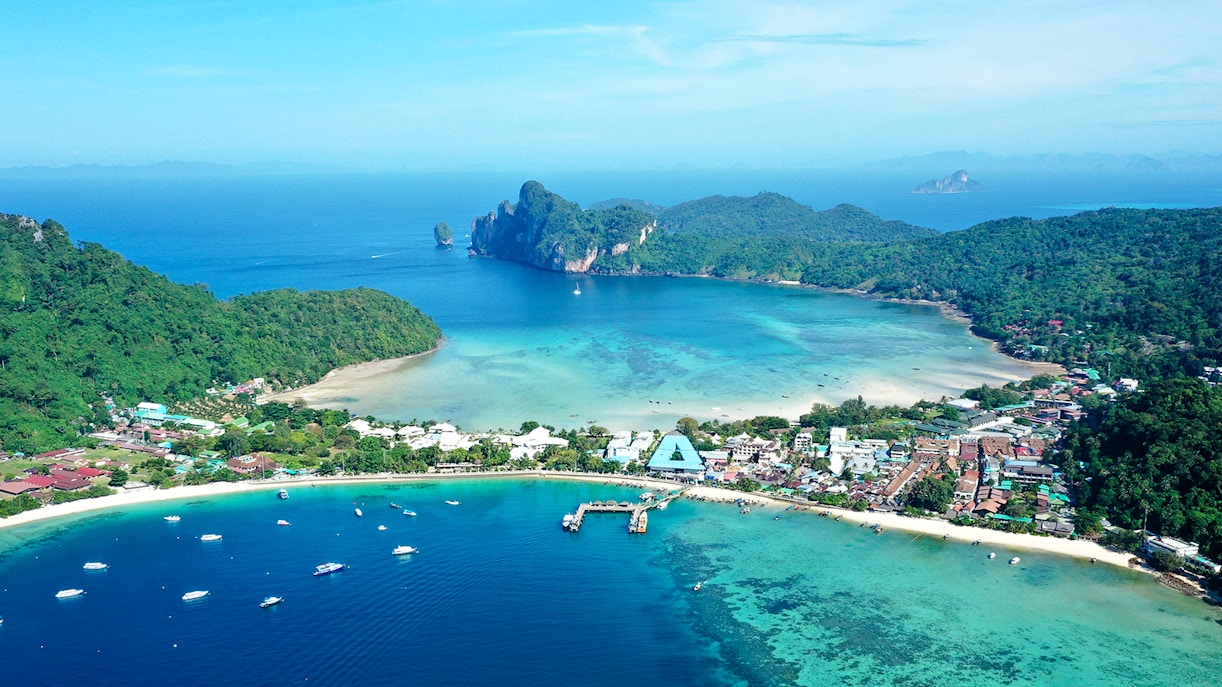
Aerial view of Tonsai Village, Phi Phi Islands, with boats in turquoise waters.
  • Take the earliest departure you can. The difference between reaching Maya Bay at 8am vs 10am is huge, fewer boats, clearer water, and noticeably better photos.
  • Choose your seat strategically. The front of the speedboat gives the best views but also the bumpiest ride; the back is smoother and better if you get seasick easily.
  • Don’t spend your entire Phi Phi Don stop near the pier. Walk 5–10 minutes into Tonsai Village instead, it’s quieter and feels far less touristy.
  • Pileh Lagoon is usually the better swim stop. Maya Bay is more about the view than the water.
  • Check if the National Park fee is included. If not, you’ll need around ฿400 cash, ideally in small notes.
  • The return journey often feels rougher than the morning crossing. Afternoon seas get choppier, especially during monsoon months, so plan motion-sickness medication accordingly.
  • Bring a proper dry bag. Most lagoon stops involve jumping or wading into the water.

Frequently Asked Questions

Arrive at the pier at least 15–20 minutes before your listed departure time. If your tour includes hotel transfers, your driver will have a pickup time: be ready in the lobby 10 minutes early. Drivers typically wait a maximum of 10 minutes after the scheduled pickup before leaving.

More to explore around Phi Phi Islands